



Press Freedom
Trump Confronts Media in Tense ‘60 Minutes’ Interview After White House Dinner Shooting

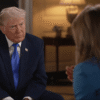
In the aftermath of a shocking security breach at the White House Correspondents’ Dinner, US President Donald Trump engaged in a tense and highly scrutinised interview with Norah O’Donnell on 60 Minutes. The conversation, intended to shed light on the incident, quickly escalated into a confrontation over the alleged manifesto of the gunman behind the attack.
The suspect, identified as Cole Tomas Allen, reportedly sent a manifesto to family members before attempting to storm the event. When O’Donnell read excerpts from the document during the interview, Trump reacted sharply, calling the journalist a “disgrace” and criticising the decision to air such content.
Fallout From the White House Correspondents’ Dinner Shooting
The shooting at the White House Correspondents’ Dinner sent shockwaves through Washington, raising urgent questions about security at high-profile political gatherings. Secret Service agents swiftly intervened, preventing further harm and escorting key officials, including Trump and Vice President JD Vance, to safety.
While no fatalities were reported, the incident has intensified scrutiny on political violence in the United States. Trump, reflecting on the moment, maintained that he was “not worried” during the chaos, though he acknowledged the seriousness of the situation as it unfolded.
View this post on Instagram
Media Relations Under Strain
The interview has reignited debate over the relationship between the Trump administration and the press. Trump accused sections of the media of bias and criticised their handling of sensitive material, particularly the manifesto excerpts. His remarks echo a long-standing tension between the administration and mainstream media outlets.
Press freedom advocates argue that questioning public officials, especially in the wake of a violent incident, is a core journalistic responsibility. However, critics of the interview suggest that broadcasting unverified or inflammatory statements from a suspect could risk amplifying harmful narratives.
Security, Accountability, and Political Rhetoric
Beyond the media clash, the incident underscores broader concerns about political rhetoric and public safety. Authorities continue to investigate the motives behind the attack, including the suspect’s alleged targeting of government officials.
The episode also highlights the increasing frequency of threats against political figures and institutions, prompting calls for enhanced security measures and more measured public discourse. Trump himself has advocated for rescheduling the correspondents’ dinner with stronger security protocols.
A Defining Moment in a Polarised Climate
The confrontation between Trump and Norah O’Donnell is more than a televised disagreement over facts; it reflects a deeper divide in American political and media landscapes. As investigations continue, the focus remains on ensuring accountability, safeguarding democratic institutions, and addressing the root causes of political violence.
In an already polarised environment, the intersection of media scrutiny, political leadership, and national security is likely to remain a defining issue in the months ahead.



































Pingback: Shooting Near White House: Secret Service Takes Down Suspect