






US Launches New Strikes on Iran as Nuclear Talks Continue in Qatar

The United States has launched a new round of military strikes targeting missile launch sites and Iranian vessels in southern Iran, escalating tensions despite ongoing ceasefire negotiations between Washington and Tehran.
According to the United States Central Command, the attacks were carried out as “self-defence strikes” aimed at protecting American troops and naval operations in the region. US officials said the strikes specifically targeted missile infrastructure and boats allegedly attempting to deploy naval mines near strategic waterways in the Gulf region.
The latest military action comes while Iranian and US negotiators continue discussions in Qatar over a broader peace framework and the future of Iran’s nuclear programme.
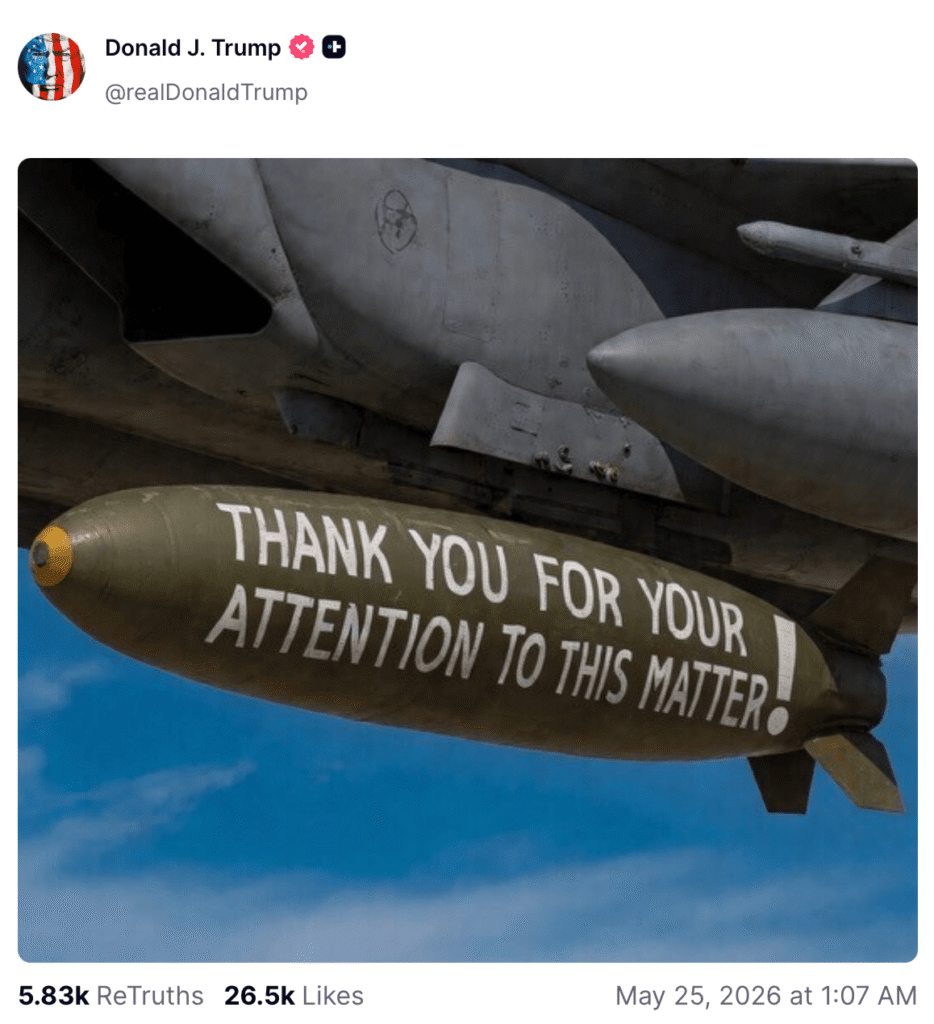
Donald Trump Midnight Truth Social Diplomacy
Ceasefire Faces New Pressure
Although a ceasefire between the US and Iran has technically been in place since April 8, recent clashes have raised concerns about its long-term stability.
Iranian sources reported that members of the Islamic Revolutionary Guard Corps were killed during the attacks. Iranian officials also claimed the confrontation began after Iranian forces targeted a vessel at sea before the US response.
Analysts warn the renewed violence could complicate fragile diplomatic talks currently taking place in Doha.
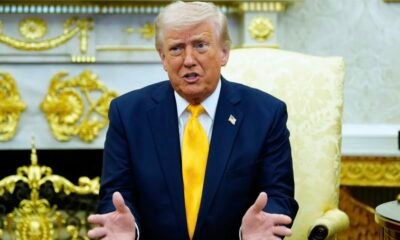
US President Donald Trump has repeatedly stated he wants a “strong” agreement with Iran but warned that failure to reach a deal could lead to even larger military escalation.
“It will only be a great deal for all or no deal at all,” Trump said in a recent statement, suggesting the conflict could return “bigger and stronger than ever before” if negotiations collapse.
Nuclear Programme Remains Central Issue
One of the biggest sticking points in negotiations remains Iran’s nuclear programme and its stockpile of enriched uranium.
Western intelligence estimates suggest Iran possesses roughly 440 kilograms of uranium enriched to 60% purity, a level technically close to weapons-grade enrichment.
Trump recently stated that the uranium must either be surrendered to the United States or destroyed under international supervision.
Iran, however, has insisted that current negotiations are primarily focused on ending military conflict rather than directly addressing nuclear restrictions.
Iranian Foreign Ministry spokesperson Esmaeil Baghaei acknowledged that progress had been made in talks but denied reports suggesting a final agreement was imminent.
Strait of Hormuz Remains a Global Concern
The ongoing tensions continue to place the Strait of Hormuz at the center of global attention.
Iran has maintained tight controls over Gulf shipping routes since the conflict intensified earlier this year. The strategic waterway is one of the world’s most important oil transit routes, and previous disruptions caused sharp spikes in global oil prices.
The broader conflict began after coordinated US and Israeli strikes on Iran in late February, which triggered retaliatory attacks across the Middle East and intensified fears of a wider regional war.
Uncertain Path Ahead
Despite the renewed violence, diplomatic efforts are continuing in Qatar, where senior Iranian officials, including Foreign Minister Abbas Araghchi, are meeting with international mediators.
Observers say the coming weeks could determine whether the region moves toward a historic agreement or slides back into full-scale conflict.