







Peacock
‘Devil in Disguise: John Wayne Gacy’ Review — Peacock’s Chilling, Thoughtful True-Crime Drama

Peacock’s latest limited series, Devil in Disguise: John Wayne Gacy, takes one of the darkest chapters in American crime history and transforms it into something rare in the genre — a measured, empathetic retelling. Created by Patrick Macmanus and starring Michael Chernus as the infamous Chicago serial killer, the series deliberately avoids the sensationalized tone popularized by shows like Dahmer – Monster: The Jeffrey Dahmer Story, offering a sobering reflection instead of voyeuristic horror.
In an era of glossy, binge-worthy murder tales, Devil in Disguise feels almost revolutionary in its restraint. Over the course of eight episodes, it examines not just John Wayne Gacy’s crimes, but also the institutional failures and societal indifference that allowed him to operate undetected for so long.
A Different Kind of True Crime
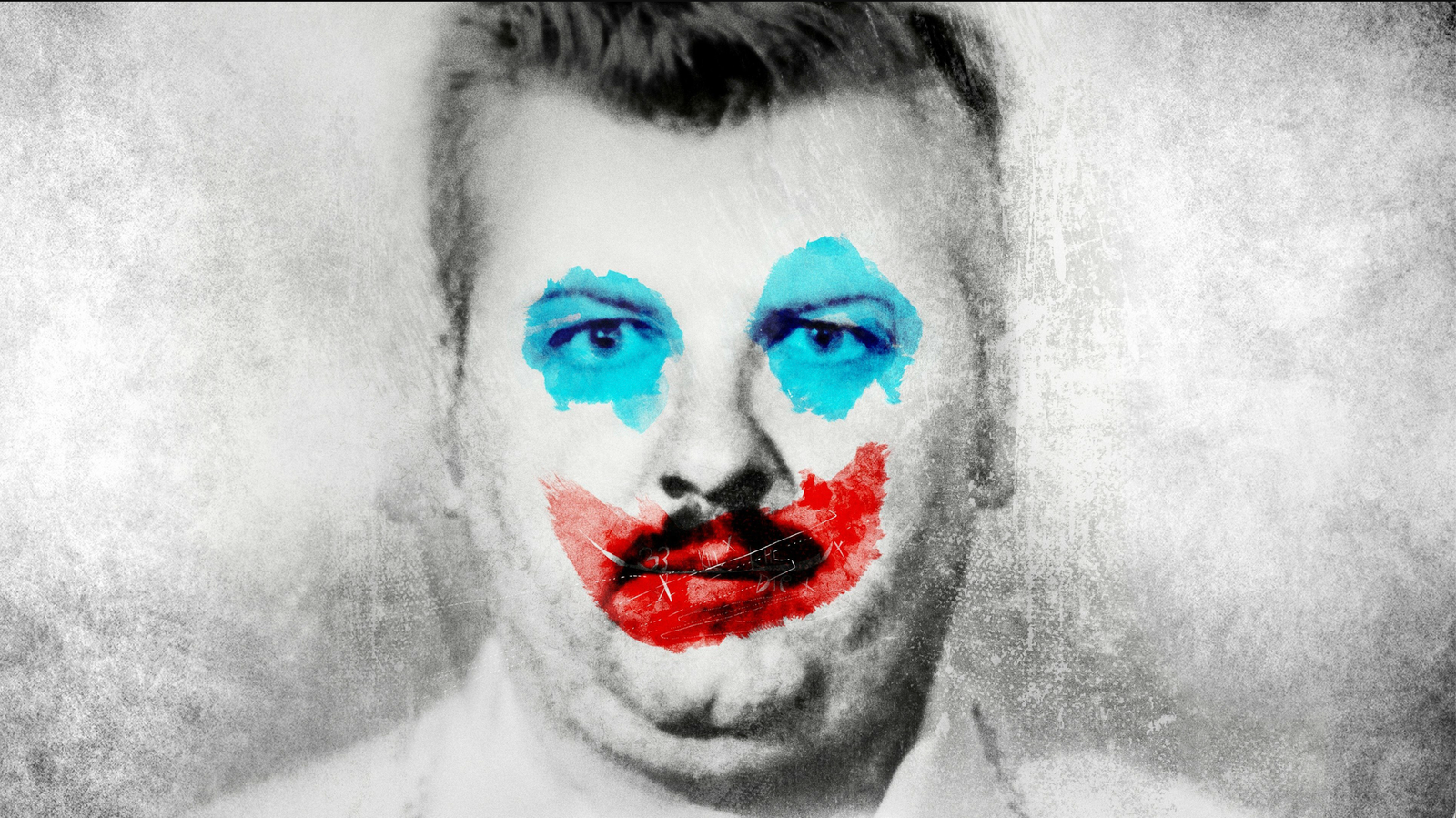
Unlike many dramatizations of real-life killers, Devil in Disguise resists the temptation to glorify its monster. The moment where John Wayne Gacy dons his infamous clown makeup arrives only once — and it’s unsettling precisely because it’s treated without spectacle.
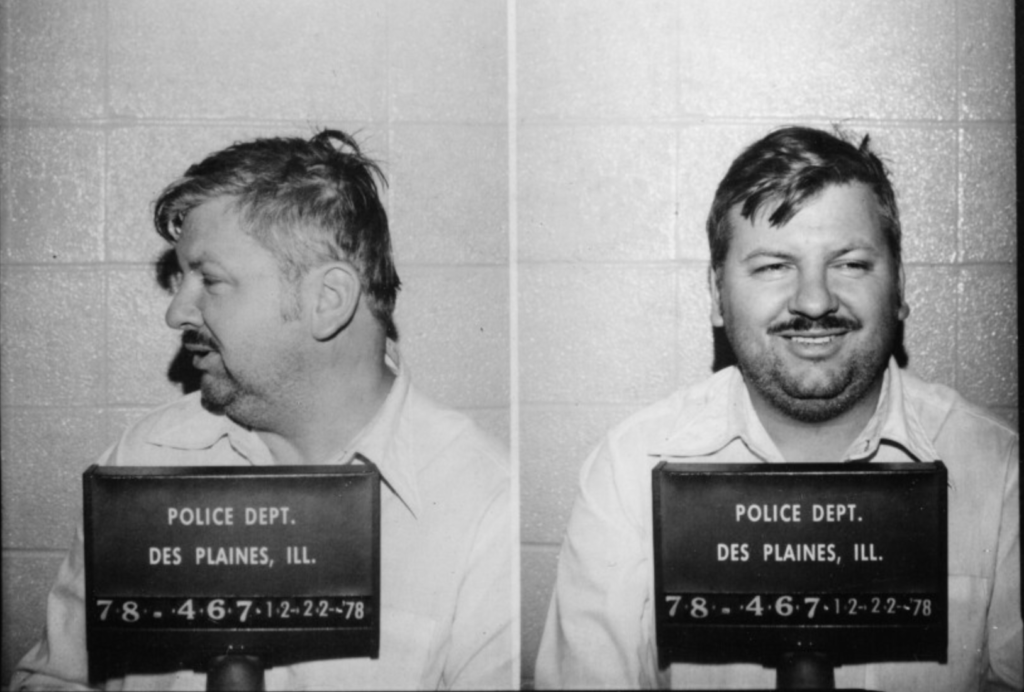
The story begins in 1978, when Elizabeth Piest (Marin Ireland) reports her teenage son missing after meeting Gacy for a job. From there, the narrative expands to follow detectives Joe Kozenczak (James Badge Dale) and Rafael Tovar (Gabriel Luna) as they unravel the horrifying truth buried beneath Gacy’s suburban home.
John Wayne Gacy
Empathy for Victims, Not the Killer
Where other true-crime shows often linger on the perpetrator, Devil in Disguise keeps its focus on the victims and their families. Flashbacks introduce the young men Gacy preyed upon, not as faceless names, but as individuals with dreams, fears, and complicated lives.
Macmanus also exposes how systemic bias — particularly against gay and marginalized youth — allowed Gacy’s spree to continue. As in The Girl from Plainville, his storytelling prioritizes quiet tragedy over shock value, asking viewers to reflect on the social conditions that made these crimes possible.
Even in its darkest scenes, the show maintains a quiet dignity, balancing its procedural structure with emotional resonance reminiscent of David Fincher’s Zodiac.
View this post on Instagram
A Somber, Human Approach
Michael Chernus delivers a chilling, understated performance as Gacy — manipulative, unassuming, and eerily ordinary. Surrounding him, the ensemble (including Chris Sullivan and Michael Angarano) embodies the exhaustion and moral ambiguity of those entangled in the investigation.
Disney+ ‘Devil in the Family’: True-Crime Documentary Exposing Dark Side of Family Vlogging
The finale jumps to Gacy’s 1994 execution, closing not with violence, but reflection. Survivors and families gather, confronting not only the man’s crimes but also the ethical complexity of the death penalty — a conversation too rare in today’s true-crime landscape.
While Devil in Disguise may frustrate viewers seeking the sensationalism of Monster or American Horror Story, its deliberate tone and empathy make it one of the most meaningful serial killer dramas in years. It’s not designed to thrill — it’s designed to mourn, question, and understand.
For a genre often consumed by spectacle, Devil in Disguise: John Wayne Gacy is a refreshing corrective — haunting not for what it shows, but for what it refuses to.