








Documentary
Sean Diddy Combs’ $100 million Defamation lawsuit against NBCUniversal Thrown Out

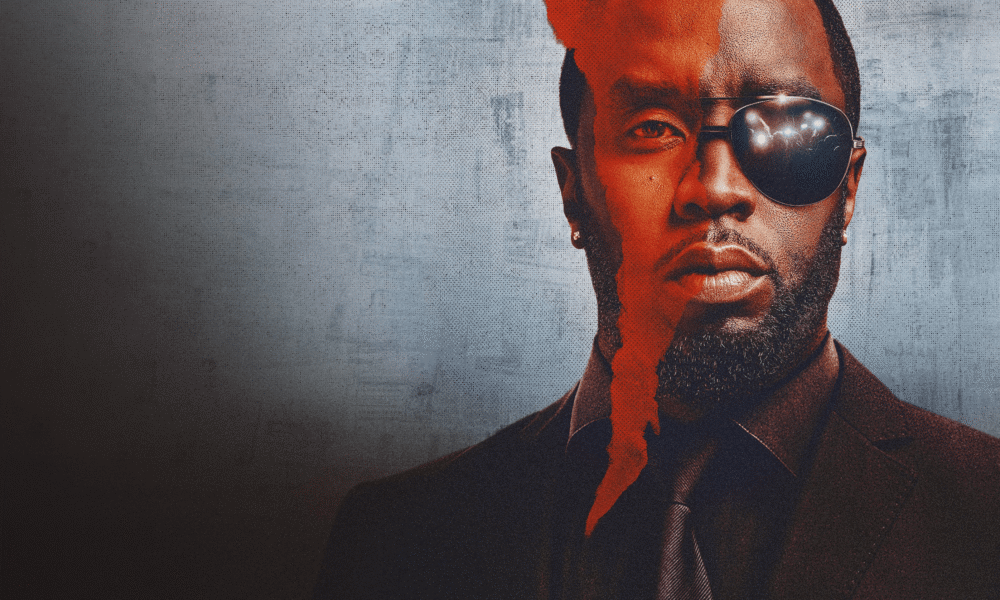
A New York judge has dismissed Sean “Diddy” Combs’ $100 million defamation lawsuit against NBCUniversal, delivering a significant legal setback to the incarcerated music mogul as he continues to await a ruling on a separate criminal appeal. Empire State Supreme Court judge Phaedra F. Perry-Bond issued the ruling on Wednesday, rejecting the case filed by Diddy in February 2025 against the Comcast-owned media giant over a documentary that aired on its Peacock streaming platform.
The lawsuit and what prompted it
The lawsuit centred on Diddy: The Making of a Bad Boy, a documentary that debuted on NBCUniversal Peacock on 14 January 2025, less than six months after Sean Diddy Combs was arrested and federally indicted on charges of racketeering, sex trafficking, and prostitution. The 90-minute documentary film examined allegations of violence and sexual abuse spanning decades. Also, it explored Diddy’s connection to the deaths of the Notorious B.I.G. and his longtime partner Kim Porter, the mother of several of his children.
Diddy’s legal team sought $100 million in damages under the defamation lawsuit, alleging the NBCUniversal documentary characterised him in deeply defamatory terms and caused serious reputational harm. The complaint described the film as malicious and accused it of drawing crude comparisons between Combs and convicted sex offender Jeffrey Epstein.
Why the judge rejected the case
Judge Perry-Bond was unconvinced. In her ruling, she found that Diddy’s legal team had failed to establish any substantial basis for reputational harm, a prerequisite for a defamation claim, because his reputation had already been severely damaged before the documentary was released.
The judge pointed to the volume of pre-existing lawsuits against Diddy, widely circulated domestic violence footage, extensive press coverage, and his federal criminal indictment as factors that had already substantially undermined his public standing. In that context, she concluded that the Peacock documentary could not be held responsible for the damage his lawyers were attributing to it.
The judge also found that the NBCUniversal documentary itself had been carefully constructed, making clear the perspectives of its contributors and including counterpoints to the statements Diddy found objectionable.
The legal response
NBCUniversal’s lead attorney described the ruling as a meaningful protection for journalism and documentary filmmaking. The dismissal was characterised as affirming the right of journalists and filmmakers to report on matters of significant public interest without facing financially punishing litigation over coverage that is grounded in fact and context.
Sean Diddy Combs’ representatives declined to comment.
Where things stand
Diddy is currently serving a four-year prison sentence after being convicted last September on two counts of transportation to engage in prostitution. He was acquitted of the more serious charges of racketeering conspiracy and sex trafficking, which had carried the possibility of a life sentence. He is scheduled for release from a low-security New Jersey facility in April 2028.
A separate appeal before the US Court of Appeals for the Second Circuit, in which Diddy’s lawyers argue that the sentencing judge improperly factored in charges on which he was acquitted, remains pending. The three-judge panel has not yet issued a decision.