





Trump Presidency
US-Iran ceasefire extended as Islamabad talks collapse, what happens next

A second round of high-stakes diplomatic talks between the United States and Iran has effectively collapsed after Tehran failed to send a delegation to Islamabad, leaving the conflict unresolved and the Strait of Hormuz, a critical artery for global oil supply, still closed to international shipping. Still, Donald Trump extended the ceasefire, citing a request from Pakistan and the need to allow Iran time to submit a formal proposal. The decision marks the second time the Trump administration has pulled back from a stated red line, drawing fresh scrutiny over the coherence of Washington’s strategy toward Tehran.
What happened in Islamabad
The Pakistani capital had been primed for the arrival of both delegations, with roads closed and security substantially increased around the city centre. A US delegation led by Vice-President JD Vance was expected to travel for the talks, but Iran never confirmed its attendance and ultimately did not show up.
US officials believe Tehran’s leadership has not yet reached an internal consensus on its negotiating position, particularly regarding the country’s uranium stockpile. Reports suggest Iran’s new Supreme Leader may be in hiding, complicating the transmission of clear direction to its diplomatic team.
Iran’s foreign minister cited what he described as provocative ceasefire violations, the seizure of an Iranian-flagged cargo ship, and what he characterised as threatening rhetoric from Washington as obstacles to further diplomacy.
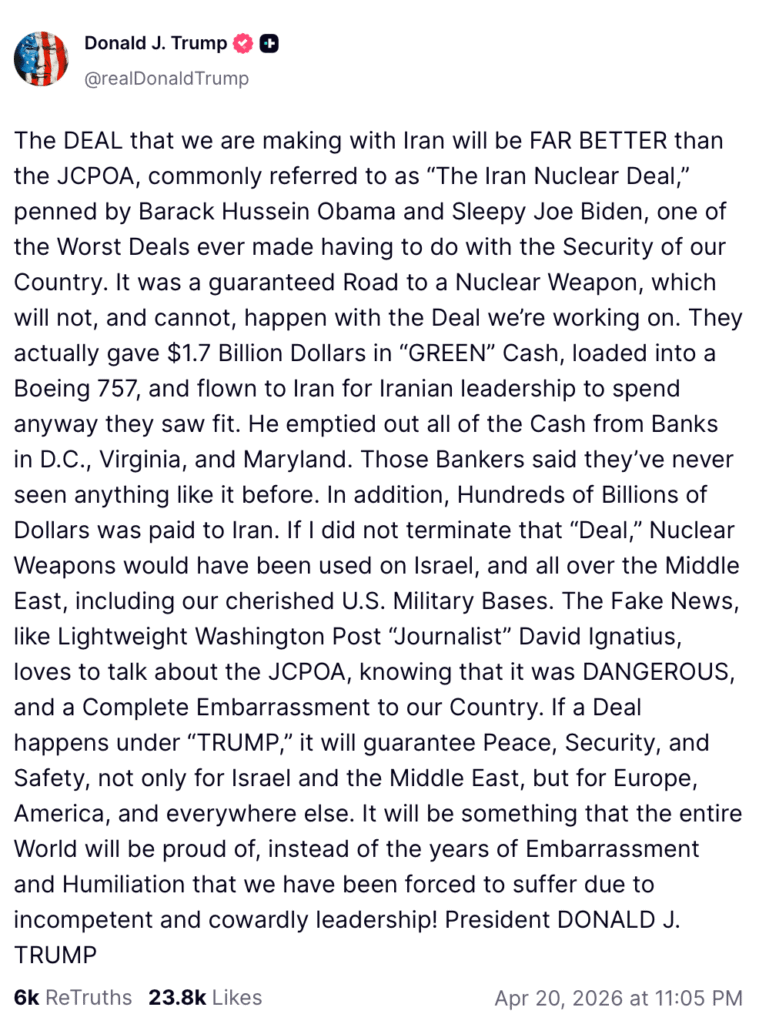
Trump’s Truth Social Diplomacy
Trump’s position: confident but under pressure
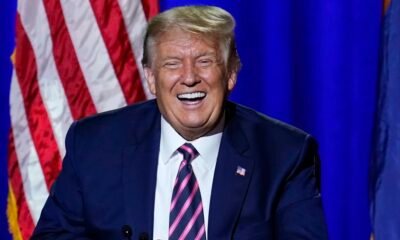
Trump has taken to Truth Social to project confidence after the ceasefire extension, claiming the US is winning the conflict and insisting he is under no pressure to settle. He has pledged that the naval blockade on Iranian ports, which he claims is costing Tehran around $500 million per day, will remain in place until a deal is reached.
The blockade has had a tangible economic effect, driving a surge in demand for American crude oil as European and Asian buyers seek alternatives to Middle Eastern supply. US crude exports reportedly reached their highest level in seven months in the week ending 10 April.
Despite this leverage, analysts note that Iran has historically demonstrated a willingness to absorb severe economic pain rather than compromise what it regards as sovereign interests, particularly control over the Strait of Hormuz, which it views as a powerful strategic card.
The road ahead
With the ceasefire now extended indefinitely, diplomats from Pakistan and other intermediaries face the challenge of finding a framework that allows both sides to claim a credible win. One potential path involves trading the US blockade for an Iranian agreement to reopen the strait, with more complex issues, nuclear enrichment, missile capability, and sanctions relief, addressed in a longer-term process.
The Israel-Lebanon ceasefire remains fragile, with a second round of ambassador-level talks scheduled for Thursday. Lebanon’s death toll has risen to 2,387 since the outbreak of that conflict.
For now, the critical question remains unanswered: with domestic pressure building over fuel prices and public appetite for prolonged conflict limited, who blinks first?